
Feedback
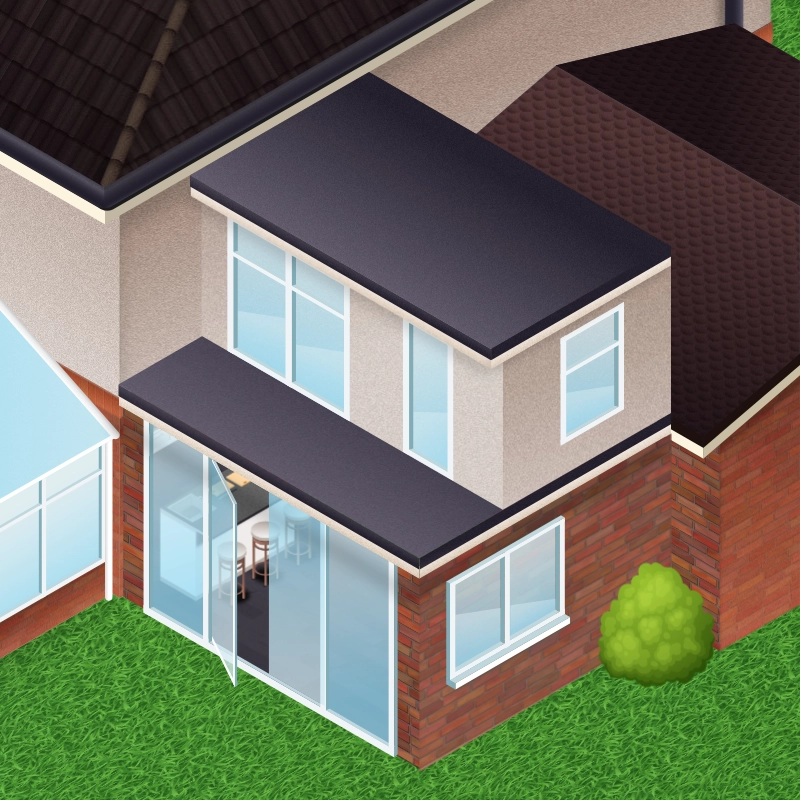
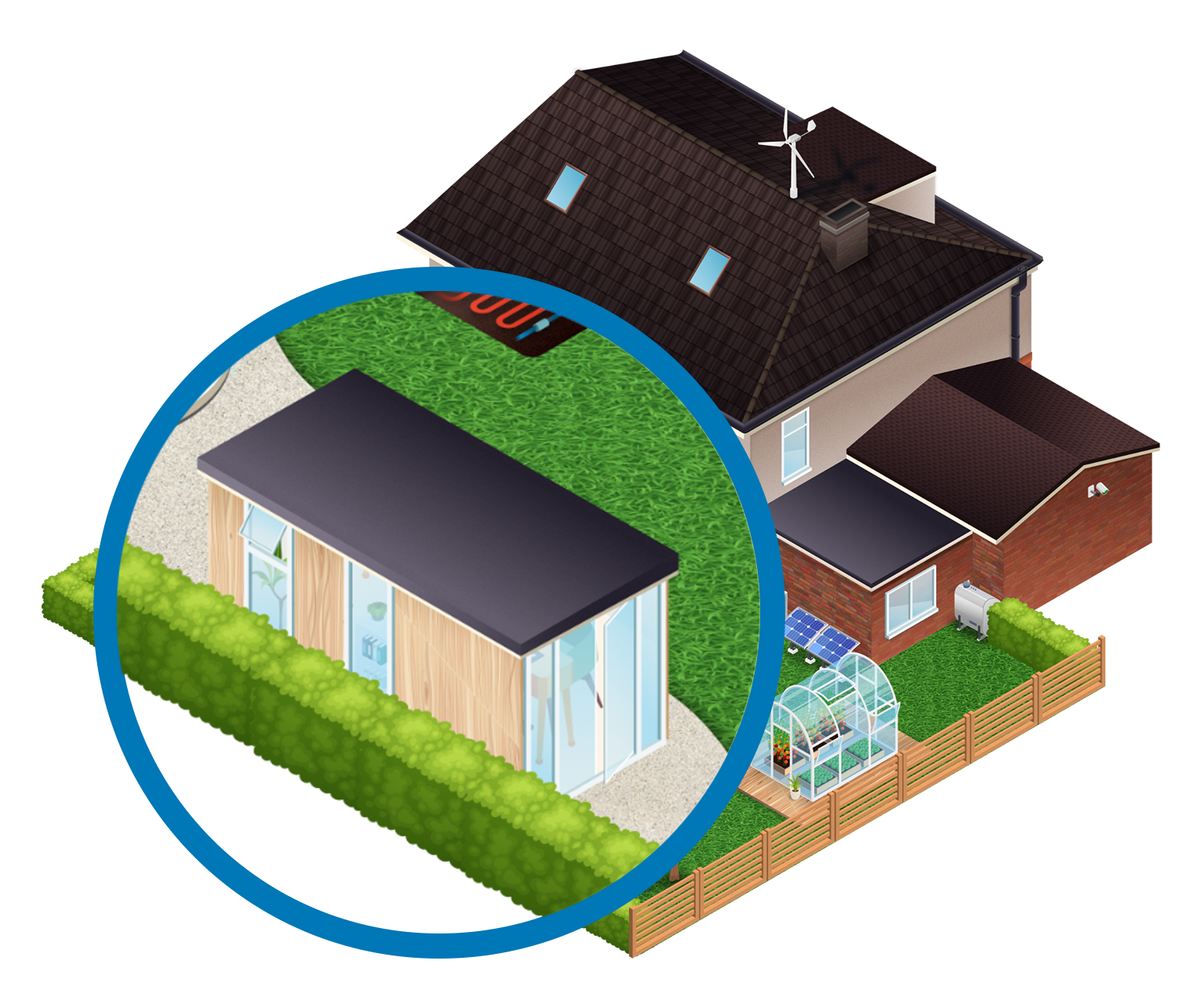
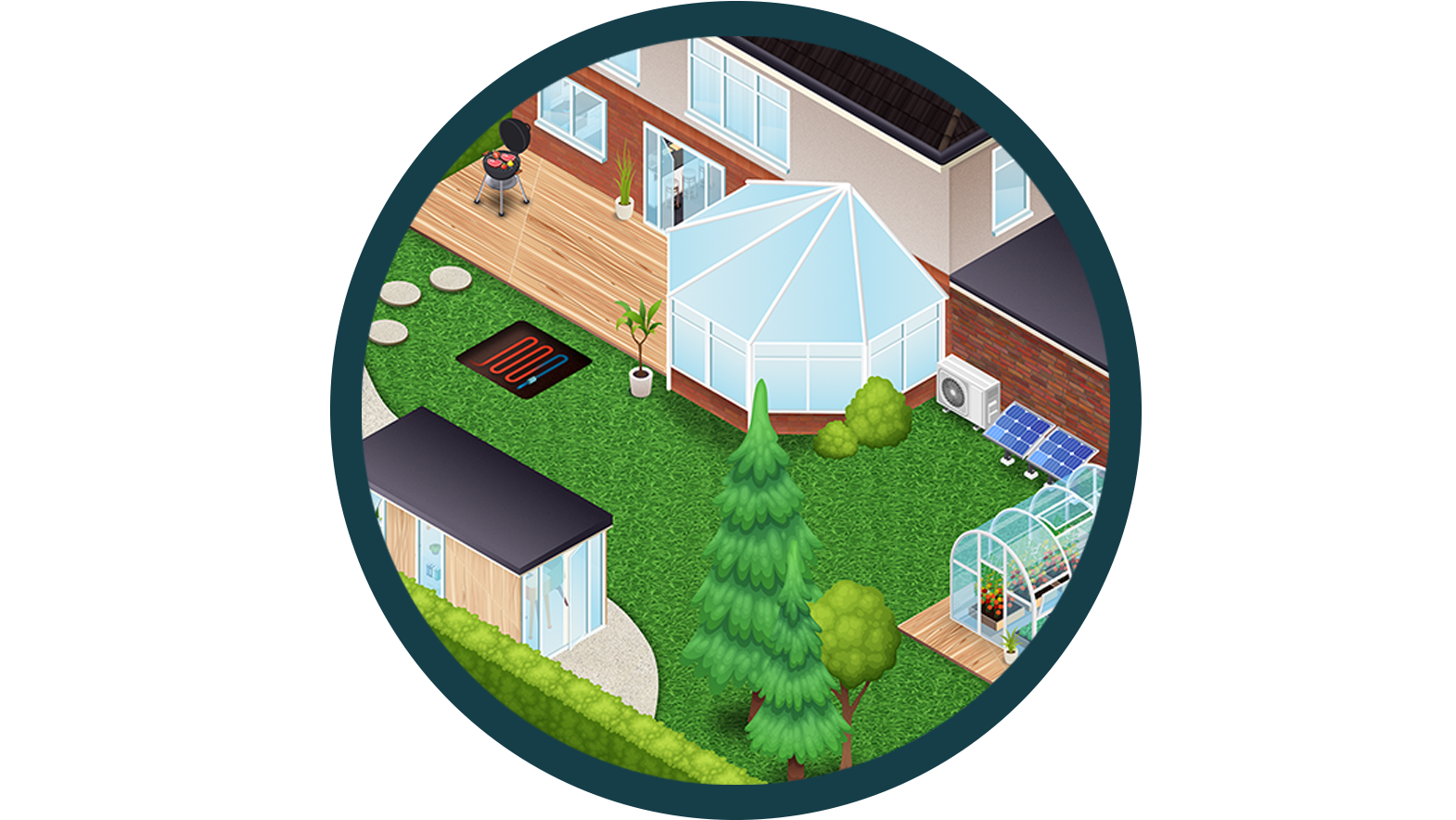
An illustration of a back garden showing conservatory, decking, outbuilding and lawn
Mini Guide

Outbuildings

Outbuildings* are considered to be permitted development, not requiring an application for planning permission, provided all the conditions are met.

This mini guide offers a visual walk-through of those limits and conditions that apply in Wales.
Remember, ALL the limits and conditions must be met for development to be permitted.

*Refer to 'definitions of terms used' for an explanation of what is considered an outbuilding.

‍

1. Listed buildings

Outbuildings* are not permitted development within the grounds of a listed building.

‍

Definitions of terms used
  • Outbuilding - The rules governing outbuildings apply to sheds, greenhouses and garages as well as other ancillary garden buildings such as swimming pools, ponds, sauna cabins, kennels, enclosures (including tennis courts) and many other kinds of structure for a purpose incidental to the enjoyment of the dwelling house.

2. Designated land

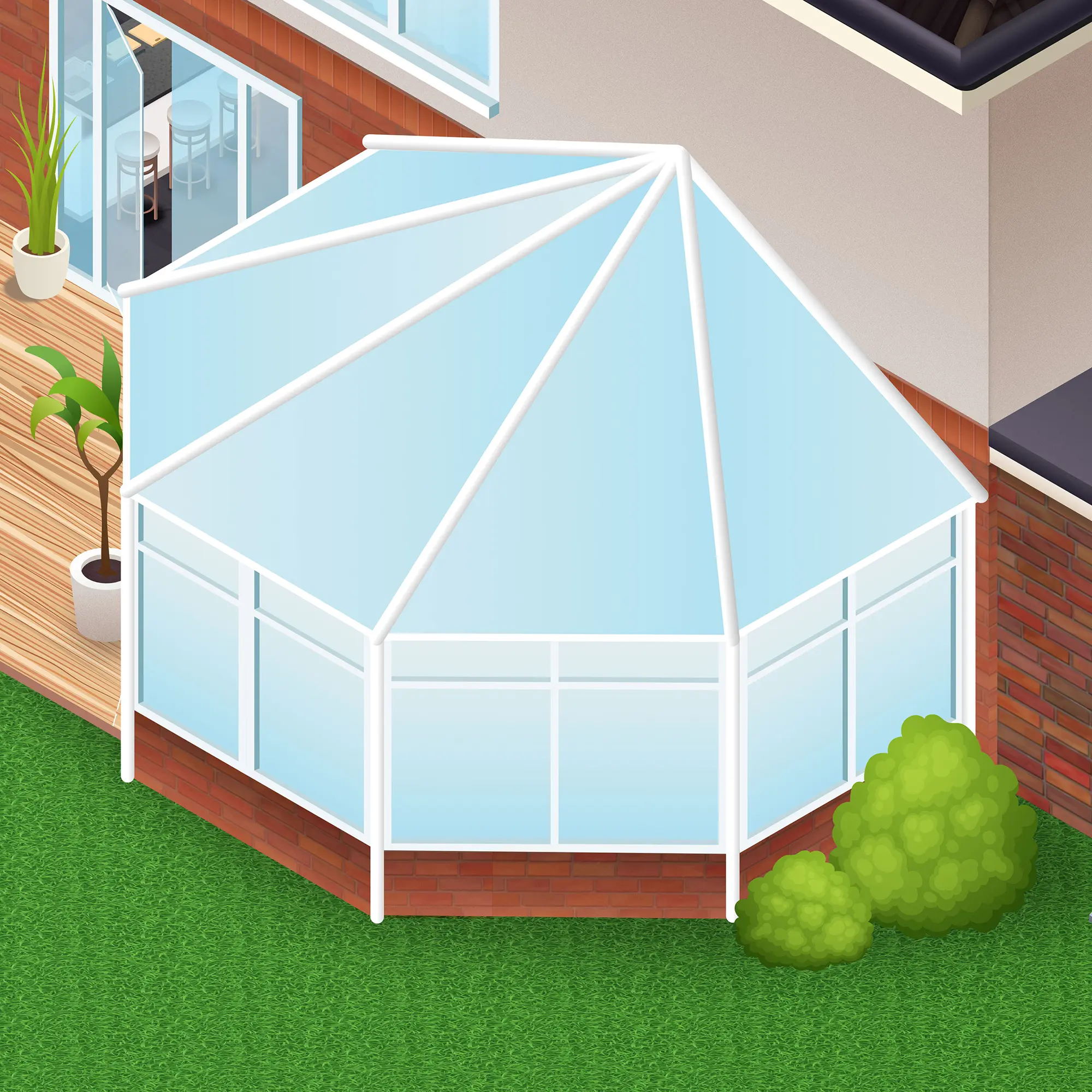
In designated land the total area to be covered by any outbuildings more than 20 metres from ANY wall of the house must not exceed 10 square metres to be permitted development.

On designated land, outbuildings to the side of the house are not permitted development.

3. Principal elevation and area permitted

Outbuildings are not permitted development forward of the principal elevation* of the original house*.

Outbuildings* and other additions must not exceed 50% of the total area of land around the original house*. Sheds and all other outbuildings, decking and raised platforms, and extensions to the original house must be included when calculating this 50% limit.

‍

Definitions of terms used
  • Outbuilding - The rules governing outbuildings apply to sheds, greenhouses and garages as well as other ancillary garden buildings such as swimming pools, ponds, sauna cabins, kennels, enclosures (including tennis courts) and many other kinds of structure for a purpose incidental to the enjoyment of the dwelling house.
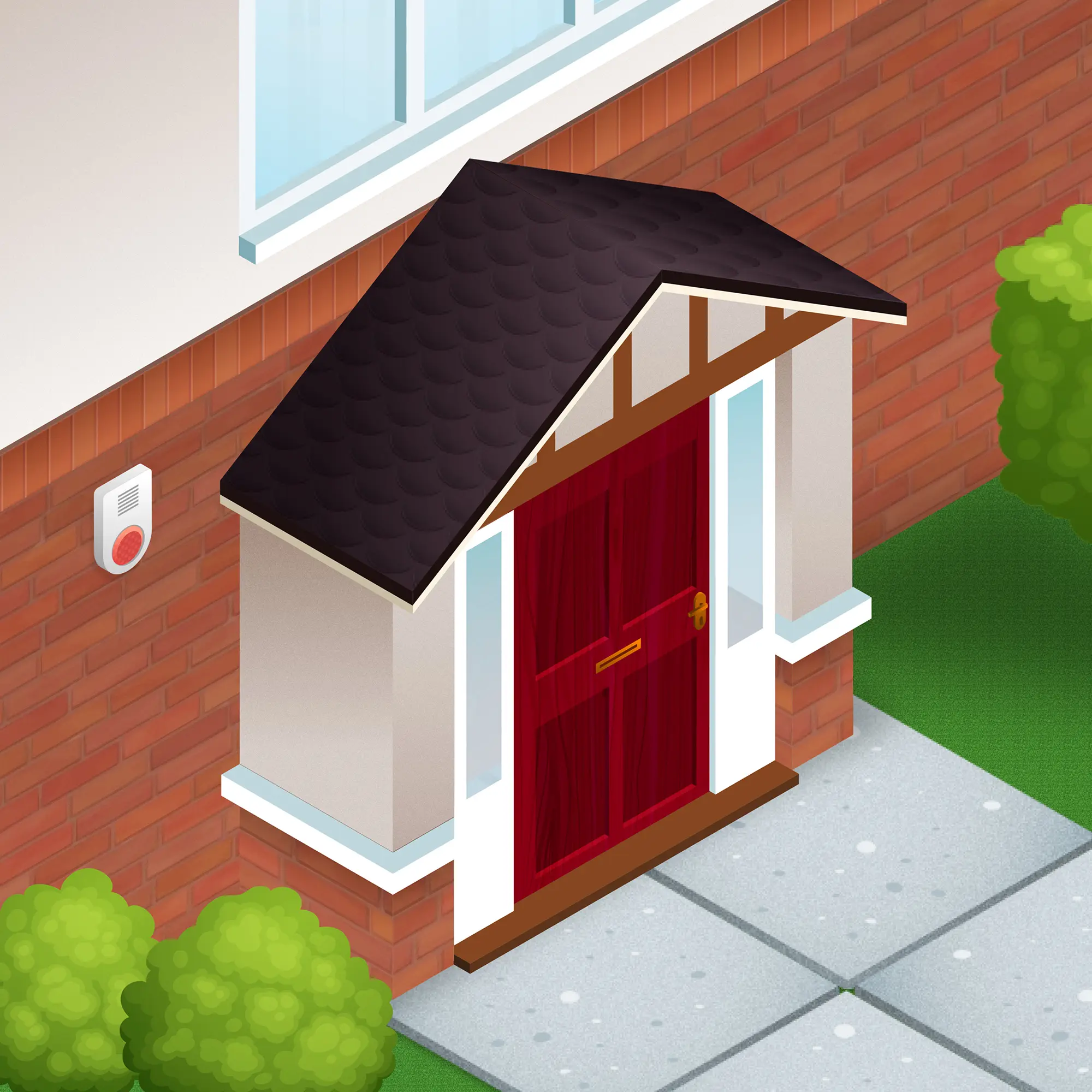
  • Original house - The term “original house” means the house as it was first built or as it stood on 1 July 1948 (if it was built before that date). Although you may not have built an extension to the house, a previous owner may have done so.
  • Principal elevation - The most visible or prominent side of a structure, typically facing a street or public area. While also considered the 'front' elevation of the building (with sides and rear determined accordingly), it may not always contain the main entrance.

4. No living accommodation or microwave antenna

To be permitted development, any new building must not itself be separate, self-contained, living accommodation and must not have a microwave antenna.

5. Height limits

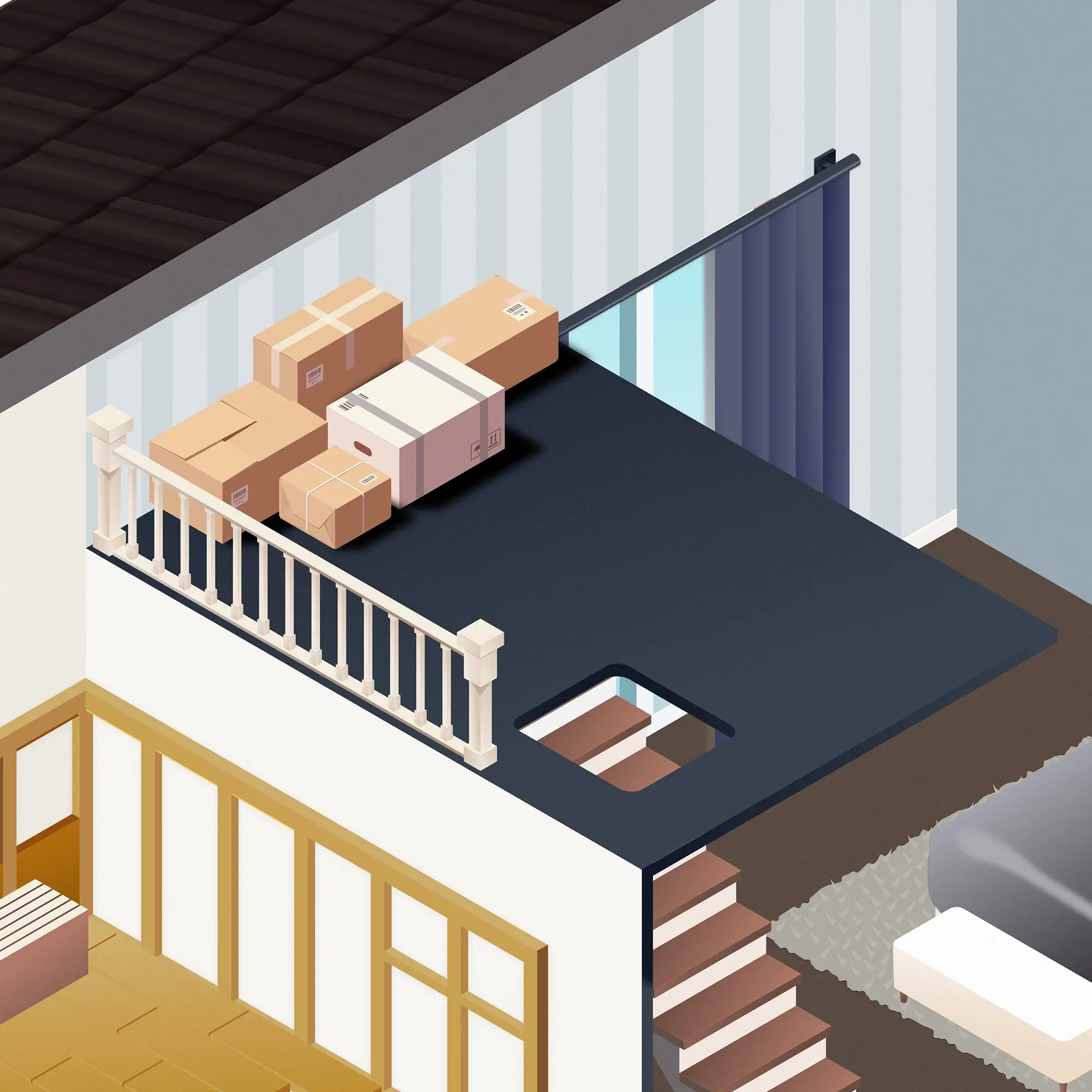
Outbuildings* must be single storey with a maximum eaves height of 2.5 metres and maximum overall height of 4 metres with a dual pitched roof, or 3 metres for a single pitch or other roof form.

Flat roof outbuildings cannot exceed 2.5 metres.

No part of the outbuilding within 2 metres of the house can exceed 1.5 metres in height.

‍

Definitions of terms used
  • Outbuilding - The rules governing outbuildings apply to sheds, greenhouses and garages as well as other ancillary garden buildings such as swimming pools, ponds, sauna cabins, kennels, enclosures (including tennis courts) and many other kinds of structure for a purpose incidental to the enjoyment of the dwelling house.
6. Near boundaries

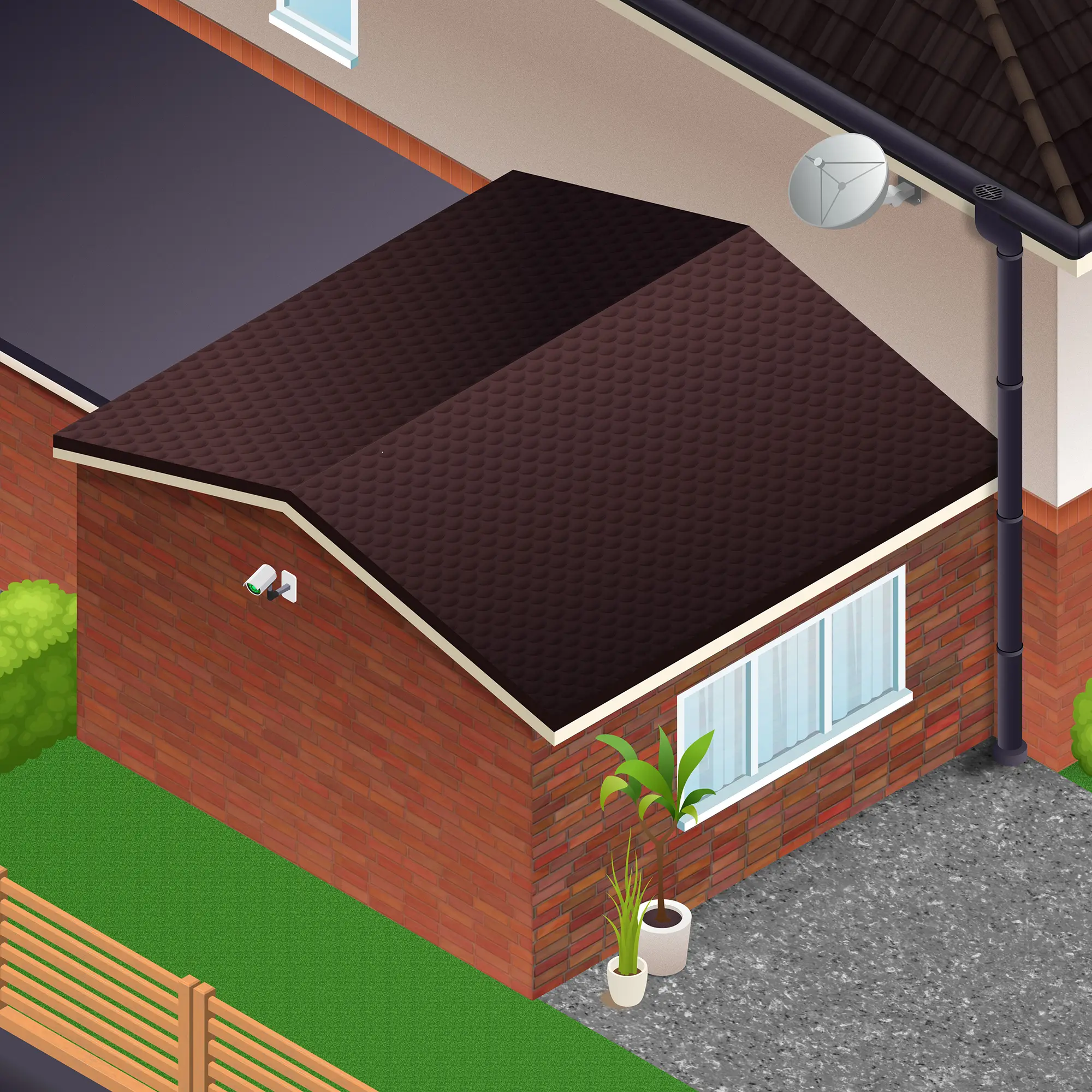
Any part of the outbuilding within two metres of the property boundary should not exceed 2.5 metres in height.

Outbuildings cannot be sited on area between the side elevation and boundary of the house which fronts a highway where it would be closer to the highway than the house or less than five metres from the highway.

7. Balconies, decking and platforms

Balconies, verandas and raised platforms such as decking are permitted development, provided they are no higher than 30cm.

8. Fuel containers

Containers, such as those used for domestic heating purposes, must not exceed 3,500 litres capacity to be permitted development.

The other permitted development conditions which apply to outbuildings* explained in this guide also apply to containers.

‍

Definitions of terms used
  • Outbuilding - The rules governing outbuildings apply to sheds, greenhouses and garages as well as other ancillary garden buildings such as swimming pools, ponds, sauna cabins, kennels, enclosures (including tennis courts) and many other kinds of structure for a purpose incidental to the enjoyment of the dwelling house.
Building regulations

Outbuildings may be exempt from building regulations depending on their size, use and location.

Read further guidance on the Welsh Government website.

Further information

Details of the house type this Mini Guide applies to, where to find more guidance and access to a downloadable PDF version.

Notes and disclaimer
Important note
  • The permitted development allowances described here apply to houses, not flats, maisonettes or other buildings.
  • You should check with your local planning authority whether permitted development rights apply – they may have been removed by what is known as an Article 4 Direction.
  • Other consents may be required if your house is listed or in a designated area.
Disclaimer
  • Please note, this is an introductory guide and is not a definitive source of legal information. Read full disclaimer.
Photo
Planning Portal

Apply online

Before starting your project, it's important to check whether you need planning permission, building regulations approval, or both. These are separate applications, you can apply for each through the Planning Portal’s online service.

This is some text inside of a div block.

Heading 1

Heading 2

Heading 3

Heading 4

Heading 5
Heading 6

Lorem ipsum dolor sit amet, consectetur adipiscing elit, sed do eiusmod tempor incididunt ut labore et dolore magna aliqua. Ut enim ad minim veniam, quis nostrud exercitation ullamco laboris nisi ut aliquip ex ea commodo consequat. Duis aute irure dolor in reprehenderit in voluptate velit esse cillum dolore eu fugiat nulla pariatur.

Block quote

Ordered list

  1. Item 1
  2. Item 2
  3. Item 3

Unordered list

  • Item A
  • Item B
  • Item C

Text link

Bold text

Emphasis

Superscript

Subscript